A Beautifully Shot Bad Film Is Still a Bad Film
A Beautifully Shot Bad Film Is Still a Bad Film.
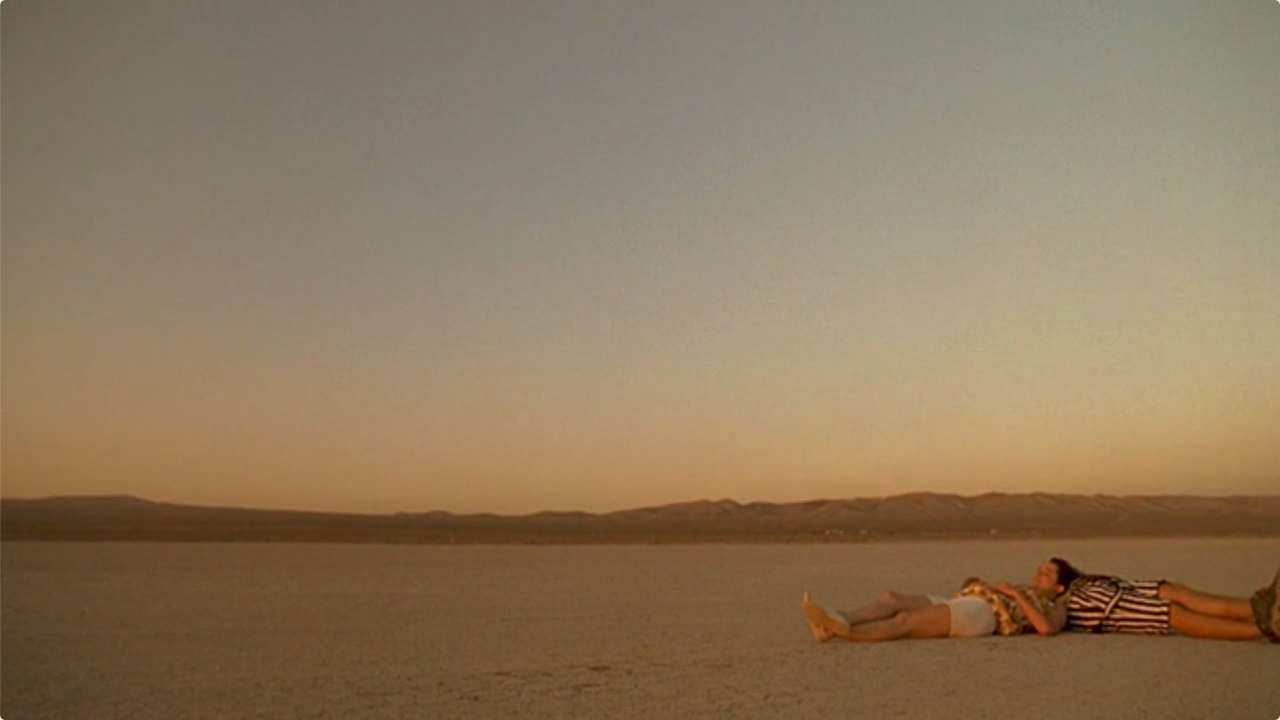
We've become remarkably good at making beautiful images. Perhaps it's time we remembered how to tell a damn story.
Roger Deakins, arguably one of the greatest cinematographers alive, once made an observation that I think every independent filmmaker ought to consider: “People confuse pretty with good cinematography.”
Deakins was making a distinction that seems increasingly lost on filmmakers today. Good cinematography isn't necessarily about creating beautiful images. It's about creating images that are right for the film. He's even suggested that if critics don't mention his work, he may have done his job better than if they had. Think about that for a moment. Here's a man responsible for some of the most extraordinary cinematography in modern cinema, essentially suggesting that the highest compliment he can receive is for nobody to notice what he's doing.
Consider The Shawshank Redemption. Deakins photographed that film, and beautifully, I might add. But when you think about The Shawshank Redemption, what's the first thing that comes to mind? Is it the lighting? The compositions? The particular lens Deakins chose for a shot? Probably not. You remember Andy Dufresne. You remember Red. You remember the friendships, the cruelty, the injustice. You remember how the film made you feel. And yet, every single frame was carefully considered, beautifully composed, and expertly lit. The cinematography was doing exactly what it was supposed to do. It was serving the story.
And I think that's something we're increasingly losing sight of.
There was a time when making a professional-looking film required access to equipment that most independent filmmakers could only dream of affording. Not anymore. Today, practically anyone can pick up a relatively inexpensive digital camera, or even the phone in their pocket, and capture images that would have seemed extraordinary twenty years ago. We have affordable cinema cameras, incredible lenses, sophisticated lighting equipment, and color-grading software that puts remarkable creative control at our fingertips. And that's wonderful. But there's a peculiar consequence to all this accessibility. We've made it easier than ever to make a film look good. We haven't made it any easier to make a film actually be good.
I should probably make something clear before anyone accuses me of sitting on my high horse. I've been guilty of prioritizing visuals over storytelling myself. I suspect most filmmakers have. There's something intoxicating about creating a beautiful image. We obsess over framing, light, camera movement, color, and composition. We spend hours planning shots that we imagine will leave our audiences speechless. And sometimes they do. But here's an uncomfortable question: Are we making these images because the story needs them, or because we want people to admire our filmmaking?
I think that's a question worth asking ourselves more often. Because there's a difference between creating a beautiful shot that enhances a story and creating a beautiful shot simply because we can. The former is filmmaking. The latter might just be showing off. And look, there's nothing inherently wrong with visual artistry. Cinema is a visual medium, after all. Some stories are told almost entirely through images. But a beautiful image without purpose is just that. A beautiful image. It doesn't automatically make for compelling cinema.
So by all means, make your film beautiful. Obsess over the lighting. Choose your lenses carefully. Find the perfect composition. But before you do any of that, ask yourself one question: Do I actually have a damn good story to tell?
Because a beautifully shot bad film is still a bad film.